Is Vaseline Good for Your Lips? What Dermatologists Actually Say
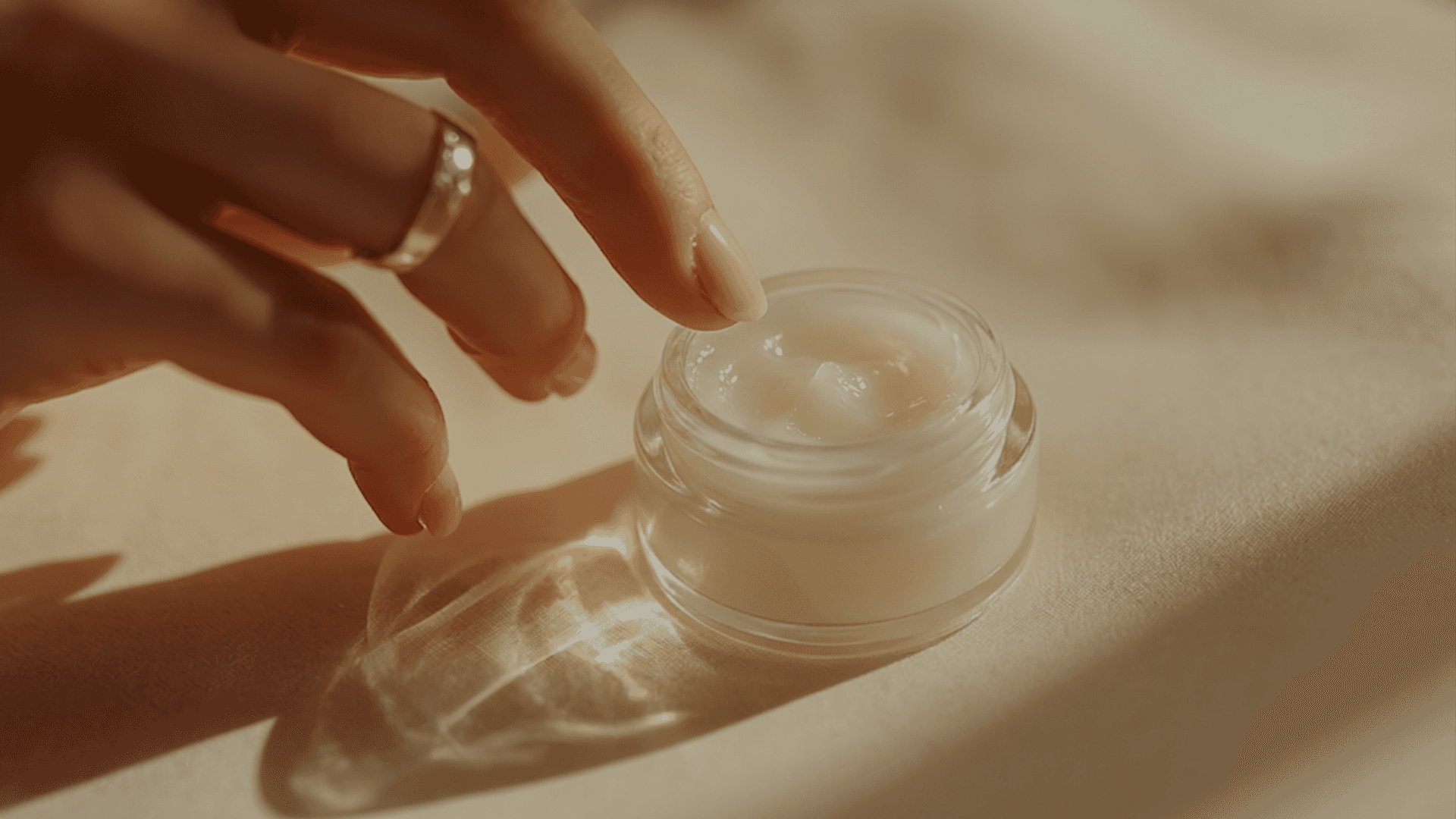
Short answer: Yes — Vaseline is good for your lips when you use it the right way.
Petroleum jelly creates a protective seal that locks moisture in and helps chapped lips heal, and the American Academy of Dermatology specifically recommends it for dry lips. The catch? Vaseline can't add moisture on its own. To get the best results, hydrate your lips first, then seal with a thin layer of Vaseline.
That's the headline. Below, we'll unpack exactly how it works, when to use it, when to skip it, and how it compares to a regular lip balm — so you can stop guessing and finally fix those dry, flaky lips.
What Is Vaseline, Really?
Vaseline is a brand name for 100% white petroleum jelly — a soft, semi-solid mixture of mineral oils and waxes. It was first sold in 1870 and has been a medicine-cabinet staple ever since.

A few quick facts most people don't know:
Cosmetic-grade Vaseline is triple-purified, which removes the impurities that some social-media posts confuse with the unrefined version used in industrial settings.
It's hypoallergenic and non-comedogenic (it doesn't clog pores in the vast majority of people).
A large analysis of nearly 80,000 patch-tested patients found that only about 0.03% reacted to white petrolatum, meaning genuine allergies are extremely rare.
So the "Vaseline is toxic" claim you may have seen on TikTok? Dermatologists have repeatedly debunked it. Refined cosmetic petroleum jelly is one of the most studied, best-tolerated skincare ingredients on the market.
How Vaseline Works on Your Lips
Here's the key concept that unlocks everything: Vaseline is an occlusive, not a humectant.
Type | What it does | Examples |
|---|---|---|
Humectant | Attracts water into the skin | Hyaluronic acid, glycerin, honey, aloe |
Occlusive | Seals moisture in and blocks water loss | Vaseline (petroleum jelly), beeswax, lanolin |
When you apply Vaseline to your lips, it forms a thin, water-resistant barrier. That barrier can reduce water loss through the skin by up to roughly 99%, which is why it's so effective at preventing further dryness.
But because it doesn't actively pull moisture in, applying it to bone-dry lips with nothing underneath is like sealing an empty jar — you're locking in… not much. This is the single biggest reason people say "Vaseline didn't work for me." They skipped step one.
6 Benefits of Using Vaseline on Your Lips

1. It heals chapped, cracked lips
By sealing the lip surface, Vaseline gives the delicate skin underneath a protected environment to repair itself — similar to how a bandage helps a small cut heal faster.
2. It protects against cold, wind, and dry air
Lips have no oil glands and a very thin outer layer, which makes them extremely vulnerable to harsh weather. A coat of Vaseline acts as a physical shield.
3. It's safe for sensitive skin
Because it contains no fragrance, dye, or active ingredients, Vaseline rarely triggers irritation — which is why dermatologists recommend it for eczema-prone and reactive skin.
4. It works as an overnight lip mask
Apply a thick layer before bed and wake up to noticeably softer lips. This is one of the most popular and effective ways to use it.
5. It's a great lip primer
Smoothing a thin layer over your lips before matte lipstick prevents flaking and helps color glide on evenly.
6. It's incredibly cheap
A jar of Vaseline costs a few dollars and lasts months — often outperforming lip balms that cost ten times more.
Are There Any Downsides?
Vaseline is one of the safest skincare ingredients available, but it isn't perfect. Here's what to keep in mind:
It doesn't moisturize on its own. This is the most important caveat. Applied to already-dry lips with no hydrating product underneath, it just seals in dryness.
It can feel greasy. Some people dislike the shiny, slippery finish — though a thin layer minimizes this.
Double-dipping with fingers can introduce bacteria into the jar, especially if your lips are cracked or bleeding. Use a clean cotton swab or a tube version instead.
Rare allergic reactions are possible. Signs include burning, stinging, swelling, or a rash. Stop using it immediately if those appear.
It's not eco-friendly. Petroleum jelly is a byproduct of oil refining, which matters if sustainability is a priority for you.
Acne-prone skin around the mouth can occasionally break out, since Vaseline can trap sebum and bacteria already on the surface.
How to Use Vaseline on Your Lips (the Right Way)
Most people use Vaseline wrong — they slap it on dry lips and wonder why nothing changes. Here's the dermatologist-approved method:
Gently exfoliate first (only if your lips aren't cracked or bleeding). Use a damp washcloth or a sugar-and-honey scrub once or twice a week to remove dead skin.
Hydrate. Apply a humectant — water, aloe vera gel, a hyaluronic-acid serum, or a balm containing glycerin or honey — to lightly damp lips.
Seal with Vaseline. Use a clean fingertip or cotton swab to apply a thin layer on top. The Vaseline now has actual moisture to trap.
Reapply throughout the day, especially after eating, drinking, or being outside.
Use a thicker layer overnight as a lip mask — this is when your skin does most of its repair work.
Pro tip: Drinking water and running a humidifier in your bedroom amplifies the effect dramatically. Vaseline can only seal in moisture you actually have.
Vaseline vs. Lip Balm: Which One Wins?
It depends on what's in your lip balm.
Vaseline alone is excellent at preventing moisture loss but can't add hydration.
A good lip balm typically combines a humectant (like glycerin or honey), an emollient (like shea butter or jojoba oil), and an occlusive (like beeswax or — yes — petrolatum).
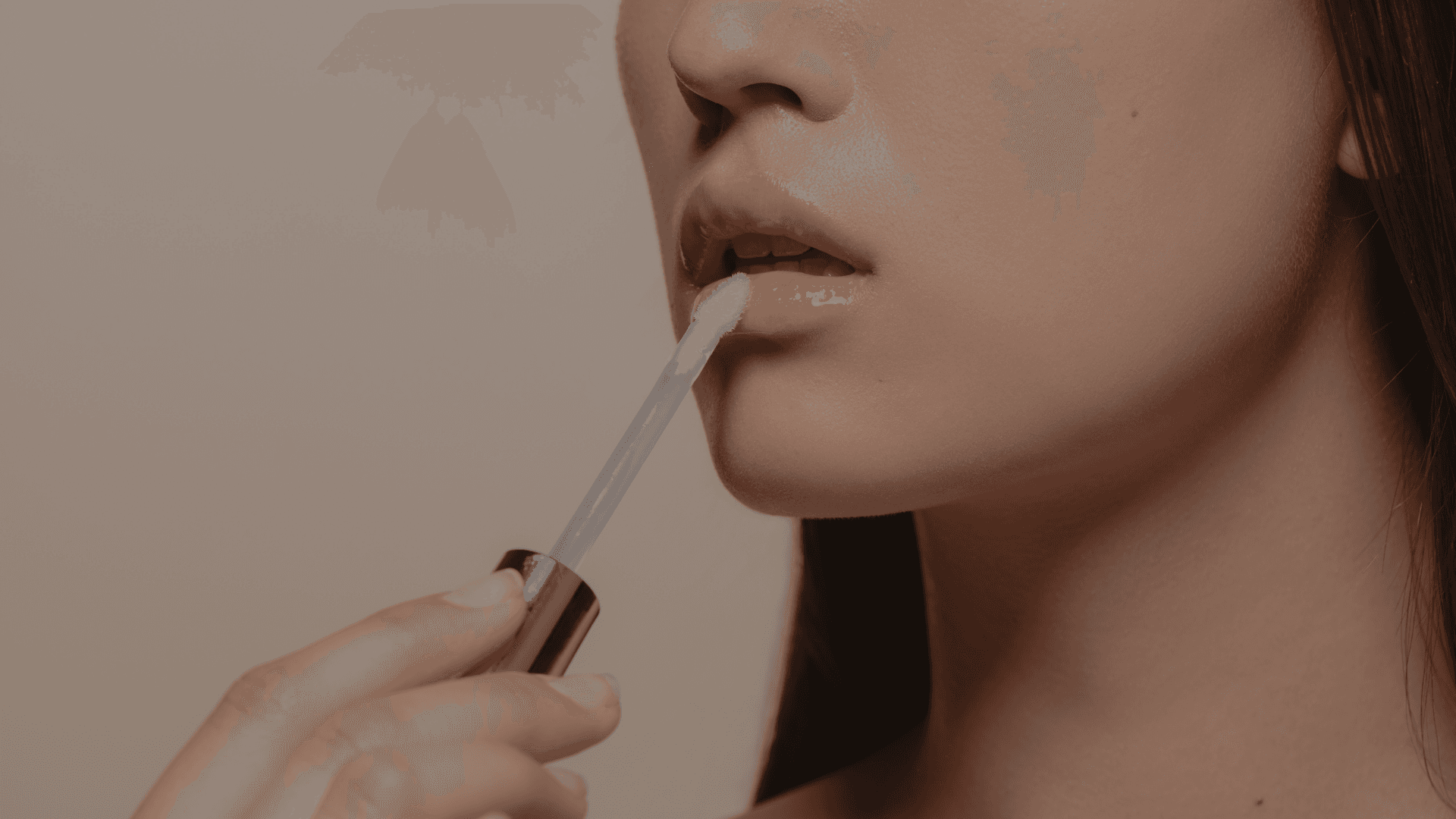
So the best lip balms are essentially Vaseline plus extra moisturizing ingredients. If your lips are very dry, a multi-ingredient balm will often outperform plain Vaseline. But for sealing in moisture, protecting against weather, or layering at night, Vaseline is hard to beat.
The winning combo: a hydrating balm by day, plain Vaseline as an overnight sealer.
Ingredients to Avoid in Lip Products
If you're shopping for a lip balm to pair with Vaseline, the American Academy of Dermatology recommends steering clear of:
Menthol, camphor, and phenol (cooling agents that often worsen dryness)
Cinnamon, citrus, peppermint, and mint flavors
Salicylic acid
Fragrance and added dyes
Eucalyptus oil
If your lip product stings or tingles, that's irritation — not "working."
Best Natural Alternatives to Vaseline
Prefer to avoid petroleum-derived products? These plant-based options provide similar benefits:
Shea butter — rich, deeply moisturizing, anti-inflammatory
Coconut oil — emollient with mild antibacterial properties
Cocoa butter — long-lasting and protective
Jojoba oil — closest match to the skin's natural sebum
Beeswax — strong occlusive, often combined with humectants in natural balms
Lanolin — extremely effective barrier ingredient (and a favorite in nipple balms, which double as great lip treatments)
When You Should NOT Use Vaseline on Your Lips

Vaseline is safe for nearly everyone, but skip it if:
Your lips are bleeding or cracked open — apply a medical-grade ointment instead, and avoid double-dipping into the jar.
You're prone to breakouts around the mouth and notice flare-ups when using it.
Your dry lips don't improve after a week or two. Persistent chapping can signal cheilitis, a vitamin deficiency, an allergy, or dehydration, and a dermatologist should weigh in.
You're using strong lip exfoliants or active ingredients — sealing over them with Vaseline can intensify irritation.
Frequently Asked Questions
Is it safe to put Vaseline on your lips every day?
Yes. Vaseline is non-toxic, hypoallergenic, and safe for daily use, including on lips, eyelids, and other sensitive areas.
Can Vaseline make your lips drier?
Only indirectly. Vaseline itself doesn't dry lips out, but if you apply it without any moisture underneath, it can lock dryness in. Always hydrate first.
Is Vaseline good for your lips overnight?
Yes — overnight is arguably the best time to use it. Apply a generous layer before bed to wake up to noticeably softer lips.
Does Vaseline cause cancer?
No. Cosmetic-grade Vaseline is triple-purified to remove the carcinogenic compounds found in unrefined petroleum. The American Academy of Dermatology considers it safe.
Can I use Vaseline as a lip plumper?
Not exactly. Vaseline won't physically plump your lips, but applied over lipstick it adds a glossy, fuller-looking finish.
Is Vaseline better than ChapStick?
For sealing in moisture: usually yes. For adding moisture: a quality balm with humectants will work better. Combining the two is ideal.
How long does it take Vaseline to heal chapped lips?
Most people see noticeable improvement within 24 to 72 hours of consistent use combined with hydration. Severely chapped lips may take a week or longer.
Is Vaseline vegan?
The original Vaseline product contains no animal-derived ingredients, but it is petroleum-based. If you're looking for a fully plant-based option, choose a balm made with shea or cocoa butter instead.
The Bottom Line
Is Vaseline good for your lips? Yes — when you use it correctly. It's one of the most effective, affordable, and dermatologist-recommended ways to protect lips from dryness and help chapped lips heal. The single most important rule: hydrate first, then seal. Treat Vaseline as the final step in your lip-care routine, not the whole routine, and you'll get results that rival lip balms costing many times more.
If your chapped lips persist for more than a couple of weeks despite proper care, that's your cue to see a dermatologist — chronic lip dryness can be a sign of something more than weather.
Medically reviewed content note: This article references guidance from the American Academy of Dermatology and peer-reviewed research published in the Journal of the American Academy of Dermatology (Kamrani et al., 2024). It is intended for informational purposes only and does not replace personalized medical advice.
Want More?
Join 100+ women sharing skincare wins in our WhatsApp community
Follow us on Instagram and TikTok for more dermatologist-backed tips