How to Build a Skincare Routine from Scratch: A Science-Backed Guide
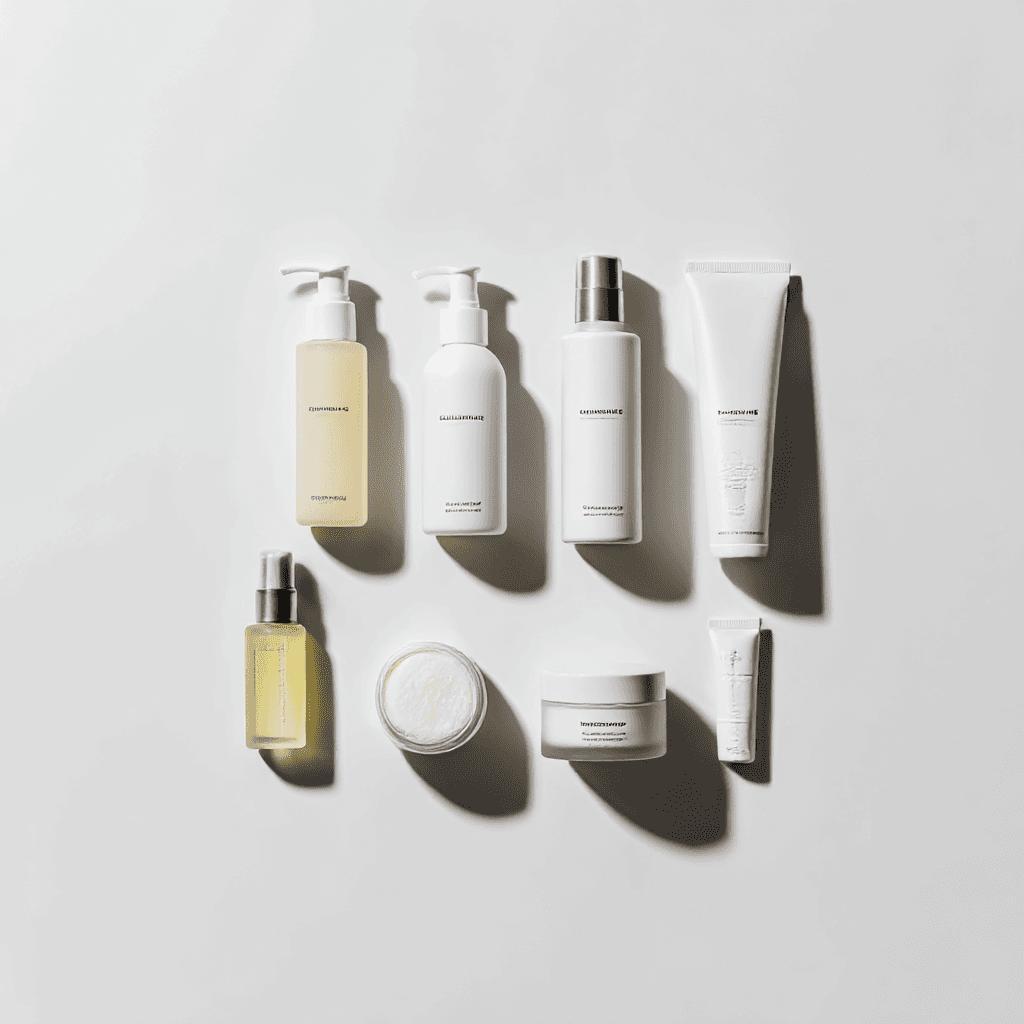
Your skin is your largest organ — and it deserves more than guesswork. Here's how to build a routine grounded in dermatological research, not TikTok trends.
TL;DR
A complete, evidence-based skincare routine has three non-negotiable steps: cleanse, moisturize, protect. That's it. Everything else is optional and should only be added once you've nailed the basics. This guide walks you through each step, explains why it works according to peer-reviewed research, and helps you avoid the most common mistakes beginners make.
Why You Need a Skincare Routine (And Why It Doesn't Need to Be Complicated)
There's a reason dermatologists keep saying the same three words: cleanse, moisturize, protect. It's not because skincare is simple — it's because decades of clinical research consistently point to the same foundational steps.
A 2023 expert consensus published in the Journal of Cosmetic Dermatology, involving ten dermatologists across multiple countries, confirmed that cleansing, moisturizing, and photoprotection (CMP) are the three essential pillars of skin health — whether you're managing a specific condition or simply maintaining healthy skin (Goh et al., 2023, J Cosmet Dermatol, 22(1):45–54).
And yet, roughly 40% of consumers choose skincare products based on recommendations from friends or social media rather than evidence-based guidance — a pattern associated with a 23.8% incidence of side effects from inappropriate product use (Goh et al., 2023).
The takeaway? A simple, science-backed routine will outperform an elaborate one built on hype every time.
Step 1: Cleanser — The Foundation of Everything
What It Does
Cleansing removes dirt, excess oil (sebum), makeup, sunscreen residue, and environmental pollutants that accumulate on your skin throughout the day. But its impact goes deeper than surface-level cleanup.
Your skin has a natural protective layer called the acid mantle — a thin, slightly acidic film on the surface of the stratum corneum (the outermost layer of your skin). Healthy skin maintains a surface pH between 4.5 and 5.5. This acidic environment is critical: it supports your skin's barrier function, regulates enzymatic activity involved in lipid processing, and helps maintain a balanced skin microbiome that keeps pathogenic bacteria and fungi in check (Blaak & Staib, 2018, Curr Probl Dermatol, 54:132–142).
Why Your Cleanser Choice Matters
Not all cleansers are created equal. Traditional alkaline soaps (pH 9–10) can significantly disrupt this acid mantle. Research published in the Journal of the American Academy of Dermatology has shown that high-pH cleansers destabilize the lipid structure of the stratum corneum, weakening its barrier function (Mijaljica et al., 2017, JAAD).
A study by Blaak and Staib (2018) found that even a single wash with an alkaline product increases skin surface pH, and recovery to physiological levels can take several hours. During this window, your skin is more vulnerable to irritation, transepidermal water loss (TEWL), and microbial imbalance.
What to Look For
Choose a gentle, pH-balanced cleanser (ideally pH 4.5–5.5) formulated with mild surfactants. The scientific term for these is synthetic detergent cleansers (syndets), which clean effectively without stripping the skin's natural lipids.
Key characteristics of a good cleanser:
pH-balanced (4.5–5.5): Supports the acid mantle rather than disrupting it.
Sulfate-free or mild surfactant-based: Harsh surfactants like sodium lauryl sulfate (SLS) bind to stratum corneum lipids and can compromise barrier integrity. Non-ionic emulsifiers are significantly gentler (Burden-Teh et al., 2023, Skin Pharmacol Physiol).
Fragrance-free (especially for sensitive skin): Fragrance is one of the most common causes of contact dermatitis.
How to Cleanse
Evening cleanse is non-negotiable — this removes the day's accumulation of sunscreen, pollution, and sebum.
Morning cleanse can be gentler. If your skin isn't oily, a rinse with lukewarm water or a very mild cleanser is sufficient.
Use lukewarm water (not hot). Hot water accelerates lipid dissolution from the skin surface.
Pat dry — don't rub.
Step 2: Moisturizer — Your Barrier's Best Friend
What It Does
Moisturizers serve a dual function: they increase the water content of the stratum corneum and prevent moisture from escaping. This isn't just cosmetic — it's physiologically essential. A well-hydrated stratum corneum is more flexible, less prone to cracking, and better at performing its barrier duties.
A 2020 randomized clinical trial published in the Journal of Dermatological Treatment demonstrated that consistent daily use of a mild cleanser and moisturizer led to objective improvements in skin hydration, reduced transepidermal water loss (TEWL), and improved quality of life — with measurable results in as little as four weeks (Kim et al., 2021, J Dermatolog Treat, 33(1):300–305).
The Three Types of Moisturizing Ingredients
A comprehensive 2023 review in Skin Pharmacology and Physiology explains that moisturizers target all four functional layers of the skin barrier — physical, chemical, microbiologic, and immunologic — through three distinct mechanisms (Burden-Teh et al., 2023, Skin Pharmacol Physiol, 36(4):174):
1. Humectants — Pull water in Humectants are hygroscopic molecules that attract water from the dermis into the epidermis. Examples include glycerin, hyaluronic acid, urea, and components of the skin's natural moisturizing factor (NMF). Glycerin is one of the most well-studied humectants and has demonstrated beneficial effects on barrier repair beyond simple hydration (StatPearls, NCBI Bookshelf).
Important nuance: In low-humidity environments, humectants used alone can actually increase TEWL by drawing water from deeper skin layers that then evaporates. This is why pairing humectants with occlusives is recommended.
2. Occlusives — Lock moisture in Occlusives form a hydrophobic barrier on the skin's surface that reduces evaporation. Petrolatum is the gold standard — research shows it reduces transepidermal water loss by up to 99% (StatPearls, NCBI Bookshelf). Other examples include mineral oil, dimethicone (silicone), and lanolin.
3. Emollients — Smooth and soften Emollients fill the gaps between desquamating (shedding) corneocytes, creating a smoother skin surface. Ceramides, squalane, and fatty acids fall into this category. Ceramides are particularly noteworthy because they're identical to the lipids naturally present in your skin barrier — supplementing them helps restore barrier architecture.
How to Choose
The best moisturizers combine all three mechanisms. The right texture depends on your skin type:
Oily skin: Lightweight, gel-based formulas with humectants (glycerin, hyaluronic acid) and light emollients. Look for "non-comedogenic" on the label.
Normal/combination skin: Lotion-weight formulas balancing humectants and emollients.
Dry skin: Richer creams with stronger occlusive ingredients (petrolatum, shea butter) and ceramides.
When to Apply
Apply moisturizer to slightly damp skin (within 1–2 minutes of cleansing). Damp skin helps humectants draw water into the stratum corneum more effectively.
Step 3: Sunscreen — The Most Important Anti-Aging Product That Exists
Why Sunscreen Is Non-Negotiable
If you take nothing else from this article, take this: daily sunscreen is the single most impactful thing you can do for your skin's long-term health and appearance.
This isn't marketing — it's the conclusion of a landmark randomized controlled trial of 903 adults published in Annals of Internal Medicine (Hughes et al., 2013). Participants who used broad-spectrum sunscreen daily showed no detectable increase in skin aging over 4.5 years, while those who used sunscreen only when they felt like it showed measurable photoaging progression. This remains one of the strongest pieces of evidence we have for any skincare intervention.
A separate 52-week prospective study found that daily use of a broad-spectrum SPF 30 sunscreen not only prevented further photodamage but actually reversed existing signs of photoaging — with 100% of participants showing improvement in skin texture and clarity (Randhawa et al., 2016, Dermatol Surg, 42:1354–1361).
What UV Radiation Actually Does to Your Skin
Ultraviolet radiation causes cumulative damage through several mechanisms:
UVB (280–315 nm): Causes sunburn (erythema) and direct DNA damage. This is what SPF ratings measure protection against.
UVA (315–400 nm): Penetrates deeper into the dermis, degrades collagen and elastin, and generates reactive oxygen species (ROS). UVA is present year-round, penetrates clouds and glass, and is the primary driver of photoaging.
Visible light and infrared-A: Emerging research suggests these wavelengths also contribute to oxidative stress and pigmentation, particularly in darker skin tones (Krutmann et al., 2021, Photodermatol Photoimmunol Photomed, 37(6):482–489).
Most everyday sun damage comes not from beach vacations but from incidental, cumulative exposure — walking to your car, sitting by a window, running errands. That's why dermatologists recommend daily use regardless of weather.
How to Choose a Sunscreen
Based on dermatological consensus and the American Academy of Dermatology (AAD) guidelines:
Broad-spectrum (protects against both UVA and UVB)
SPF 30 or higher (SPF 30 blocks approximately 97% of UVB rays)
Water-resistant (if you'll be sweating or outdoors)
There are two main categories of UV filters:
Mineral (physical) filters: Zinc oxide and titanium dioxide. They sit on top of the skin and reflect/scatter UV radiation. Generally better tolerated by sensitive skin.
Chemical (organic) filters: Avobenzone, homosalate, octisalate, etc. They absorb UV radiation and convert it to heat. Often more cosmetically elegant (thinner, no white cast).
Both are effective. The best sunscreen is the one you'll actually use every day.
How to Apply
Apply as the last step of your skincare routine, before makeup.
Use approximately two finger-lengths for the face and neck (this approximates the tested application density of 2 mg/cm²).
Reapply every two hours during prolonged sun exposure, or after swimming/sweating.
If you're mostly indoors, a single morning application is generally sufficient for incidental exposure.
Putting It All Together: Your Basic Routine
Morning
Cleanse — Gentle cleanser or lukewarm water rinse
Moisturize — Apply to slightly damp skin
Sunscreen — Broad-spectrum SPF 30+, generous application
Evening
Cleanse — Remove sunscreen, makeup, and daily buildup (consider double cleansing if you wear heavy sunscreen or makeup: oil-based cleanser first, then water-based cleanser)
Moisturize — Can use a slightly richer formula at night
That's it. Three products, morning and night. Everything else — serums, exfoliants, retinoids, eye creams — is a targeted addition that comes later, once you've established this foundation.
When to Add More
Once you've been consistent with the basics for 4–6 weeks (the approximate length of one skin cell turnover cycle), you can consider layering in targeted actives. But add one product at a time, with at least two weeks between introductions, so you can identify what's helping and what might be causing a reaction.
Common next steps to consider:
Vitamin C serum (morning, before moisturizer) — antioxidant protection
Retinoid (evening, before moisturizer) — cell turnover and collagen production
Chemical exfoliant (AHA/BHA, 1–2 times per week) — texture and brightness
We'll cover each of these in depth in upcoming posts.
Common Beginner Mistakes
Starting too many products at once. This is the number one mistake. When your skin reacts, you won't know which product caused it. Start with the core three and build slowly.
Skipping sunscreen on cloudy days. Up to 80% of UV radiation penetrates clouds. UVA is present whenever there's daylight.
Using hot water to wash your face. Hot water strips natural oils more aggressively and can exacerbate dryness and irritation.
Expecting overnight results. Skin cell turnover takes approximately 28–40 days. Give any new product at least a full cycle before evaluating its impact.
Over-cleansing. Washing your face more than twice a day can compromise your skin barrier. If your skin feels tight or "squeaky clean" after cleansing, your cleanser is too harsh.
The Bottom Line
A good skincare routine doesn't require a shelfie of twenty products. The clinical evidence is clear: cleanse gently, moisturize consistently, and protect from UV daily. Master these three steps and you'll have a stronger foundation than most people — regardless of how much they spend on skincare.
Your skin is unique, though, and what works best depends on your skin type, your concerns, and even factors like your hormonal cycle and internal health. If you're unsure whether your current products are right for you — or you want personalized, science-backed guidance — that's exactly what a Betterskin audit is designed for.
Lip care is just one piece of a complete routine — here's our guide to building one from scratch.
Scientific References
Goh CL, Wu Y, Welsh B, et al. "Expert consensus on holistic skin care routine: Focus on acne, rosacea, atopic dermatitis, and sensitive skin syndrome." Journal of Cosmetic Dermatology. 2023;22(1):45–54. doi:10.1111/jocd.15519
Blaak J, Staib P. "The Relation of pH and Skin Cleansing." Current Problems in Dermatology. 2018;54:132–142. doi:10.1159/000489527
Schmid-Wendtner MH, Korting HC. "The pH of the Skin Surface and Its Impact on the Barrier Function." Skin Pharmacology and Physiology. 2006;19(6):296–302. doi:10.1159/000094670
Hawkins S, et al. "Role of pH in skin cleansing." International Journal of Cosmetic Science. 2021;43(5):474–483. doi:10.1111/ics.12721
Hughes MCB, Williams GM, Baker P, Green AC. "Sunscreen and prevention of skin aging: a randomized trial." Annals of Internal Medicine. 2013;158(11):781–790. doi:10.7326/0003-4819-158-11-201306040-00004
Randhawa M, Wang S, Leyden JJ, et al. "Daily Use of a Facial Broad Spectrum Sunscreen Over One-Year Significantly Improves Clinical Evaluation of Photoaging." Dermatologic Surgery. 2016;42(12):1354–1361. doi:10.1097/DSS.0000000000000879
Krutmann J, Schalka S, Watson REB, Wei L, Morita A. "Daily photoprotection to prevent photoaging." Photodermatology, Photoimmunology & Photomedicine. 2021;37(6):482–489. doi:10.1111/phpp.12688
Guan L, Lim HW, Mohammad TF. "Sunscreens and Photoaging: A Review of Current Literature." American Journal of Clinical Dermatology. 2021;22(6):819–828. doi:10.1007/s40257-021-00632-5
Kim S, et al. "A consistent skin care regimen leads to objective and subjective improvements in dry human skin." Journal of Dermatological Treatment. 2021;33(1):300–305. doi:10.1080/09546634.2020.1751037
Burden-Teh E, et al. "The Skin Barrier and Moisturization: Function, Disruption, and Mechanisms of Repair." Skin Pharmacology and Physiology. 2023;36(4):174. doi:10.1159/000534136
Leung DYM, et al. "Moisturizers." StatPearls [Internet]. National Center for Biotechnology Information (NCBI). Updated 2024.
Madnani N, et al. "Revitalizing the skin: Exploring the role of barrier repair moisturizers." Journal of Cosmetic Dermatology. 2024;23(4):1134–1147. doi:10.1111/jocd.16171
Draelos ZD. "Skincare Bootcamp: The Evolving Role of Skincare." Plastic and Reconstructive Surgery – Global Open. 2016;4(12 Suppl):e1152. doi:10.1097/GOX.0000000000001152
Lichterfeld A, et al. "Evidence-Based Skin Care: A Systematic Literature Review and the Development of a Basic Skin Care Algorithm." Journal of Wound, Ostomy and Continence Nursing. 2015;42(5):501–524. doi:10.1097/WON.0000000000000162
Nguyen AV, Soulika AM. "The Dynamics of the Skin's Immune System." International Journal of Molecular Sciences. 2019;20(8):1811.
Published by Betterskin — your science-backed skincare concierge.